
materials are commonly used in the construction of microwave circuit board
RF and microwave PCBs need to be constructed from materials that are capable of preventing signal loss while still maintaining their integrity. The choice of a suitable substrate material is crucial to achieving this goal, as the specialized materials required for a high-performance microwave circuit board must offer the best combination of properties for the design in question. The following article discusses the various materials that are commonly used in the construction of microwave circuit boards and how they can be utilized to meet your design specifications.
The main component of a microwave circuit board is the copper layer, and the thickness and quality of this copper are critical to the performance of the finished product. Microwave circuit boards require thicker copper layers than their FR-4 counterparts due to their much higher operating frequencies, and this increased thickness requires more substantial dielectric materials to prevent re-radiation of signals that can affect the quality of the signal. The choice of dielectric material also plays an important role in the cost and overall manufacturing feasibility of a high-performance microwave circuit board.
In the world of RF and microwave circuit board, PTFE (polytetrafluoroethylene) is considered to be the best substrate material available for these types of circuit boards. This engineered thermoplastic fluoropolymer is highly resistant to electromagnetic interference, has low dielectric losses even at high-frequency wavelengths, and can be produced with a wide variety of surface finishes. While PTFE is more expensive than traditional copper-based laminates, it has a number of other advantages that make it well worth the extra expense.
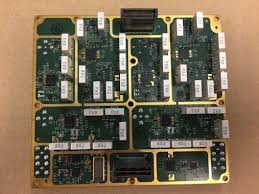
What materials are commonly used in the construction of microwave circuit board?
Some of the most common PTFE-based circuit board materials include Isola, Rogers, and Taconic, with Teflon being the most famous brand name of this type of material. These materials are known for their excellent electrical properties, including low dielectric constant and low CTE (coefficient of thermal expansion), as well as good temperature stability and resistance to chemicals, radiation, and extreme temperatures. These materials are also highly flexible, which allows them to be inserted into compact spaces that would be impossible with a rigid PCB and provides the flexibility necessary for wearable electronics.
Other high-performance PCB materials used in the manufacture of microwave circuit boards include FR-4, CEM-3, and RT/droid, with FR-4 being the most popular choice among manufacturers and designers. This low-cost, versatile material is constructed from sheets of prepreg made of woven glass fabric impregnated with flame retardant epoxy resin. It is an industry standard for RF and microwave circuit boards, and is easy to drill and metallize.
RF and microwave circuits are increasingly being used in consumer products, making it more and more important to choose the right substrate material for your next Printed Circuit Board project. Working with a reputable RF and microwave PCB manufacturer is vital to getting the right materials and engineering support that will allow you to meet your design requirements. Using advanced simulation and testing methodologies will ensure that your final product will deliver the performance you need.