
Typical Lead Time for Manufacturing FPC PCB Prototypes
The answer to this question will depend on a number of different factors. Some of the most significant variables that can affect lead time include the number of layers needed, complexity of the design, and the material selection. These can all have a significant impact on delivery times for PCB prototypes. However, Capel’s industry experience and technical expertise allow them to handle complex projects efficiently and ensure that lead times remain reasonable.
A flexible printed circuit (FPC) is a type of electronic component that features both internal and external conductive pathways. This flexible construction makes fpc pcb ideal for small electronics that cannot support full-sized PCBs. FPCs also offer better heat dissipation than their rigid counterparts, allowing them to extend the life of the device in which they are installed.
FPCs are able to withstand dynamic bending and folding, ensuring that they can meet the unique design requirements of many products. In fact, FPCs can withstand millions of cycles of dynamic bending and folding without suffering any damage. This flexibility and durability make them a perfect option for applications such as mobile phones, tablets, digital cameras, and other electronic devices that require a thin and durable circuit board.
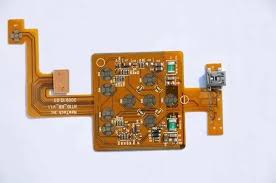
What is theTypical Lead Time for Manufacturing FPC PCB Prototypes?
Depending on the specific design, there are a variety of different types of FPCs. Some types are simpler than others, while others have multiple layers. The simplest kind is a single-sided FPC. It features a chemically etched conductive pattern on a calendered copper foil layer. This layer is attached to a flexible insulating base material such as polyimide, polyethylene terephthalate, or acrylamide fiber ester.
Double-sided FPCs have a conductive pattern on both sides of the insulation. The conductive graphics are attached to the base material via metalized holes. The holes can be plated with gold or silver for improved conductivity. This allows for higher reliability and lower overall cost.
Multi-layer FPCs are more complicated than single-sided FPCs and can be made with both single-sided or double-sided circuitry. This is often the best choice when multiple circuits are required to be connected in one place, such as a large LCD display or laptop computer.
The process for manufacturing an FPC can also have a significant impact on the lead time. For example, if the fabrication and assembly are handled separately, there can be delays as each stage is completed. This is why it is important to work with a turnkey ECM (electronics contract manufacturer) that provides both fabrication and assembly services.
In addition to the above variables, the overall quality of the components used can impact lead time. Using substandard components can result in delays due to a lack of reliability, while poor design practices may lead to defects that are costly to correct. The good news is that most of these issues can be avoided by choosing a turnkey ECM that has the expertise and resources to deliver top-quality boards on schedule.