
future of international trading companies
The future of an international trading company is being shaped by rapid technological advancements, evolving trade policies, and shifting consumer demands. As global commerce continues to grow, companies must adapt to new challenges and opportunities to remain competitive. The increasing use of digital platforms, automation, and artificial intelligence is revolutionizing the way businesses operate, making trade more efficient and transparent. Companies that leverage these innovations can enhance supply chain management, streamline transactions, and improve overall operational efficiency.
Sustainability and ethical sourcing are becoming major considerations in international trade. Consumers and businesses alike are demanding greater transparency regarding the origins of products and their environmental impact. An international trading company must incorporate sustainable practices, such as reducing carbon emissions in logistics, sourcing eco-friendly materials, and ensuring fair labor practices. Governments worldwide are also implementing stricter regulations on sustainability, requiring companies to comply with environmental policies to continue operations in certain markets. Businesses that prioritize sustainability will not only meet these regulations but also build stronger brand reputations and gain customer trust.
The rise of e-commerce is reshaping global trade by providing businesses with direct access to consumers in different markets. Traditional trading models that relied heavily on intermediaries are being replaced by digital marketplaces where companies can sell their products directly to international buyers. This shift presents new opportunities for an international trading company to expand its reach while reducing costs associated with warehousing and distribution. However, it also requires investment in digital infrastructure, cybersecurity, and efficient international payment solutions to facilitate seamless cross-border transactions.
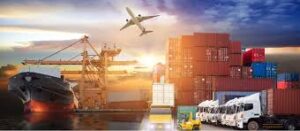
What is the future of international trading companies?
Geopolitical factors will continue to influence the future of global trade. Trade agreements, tariffs, and political tensions between major economies can impact the operations of an international trading company. Businesses must stay informed about changes in trade policies and be prepared to adjust their strategies accordingly. Diversifying supply chains and exploring new markets can help mitigate risks associated with trade restrictions or economic instability in certain regions. Companies that establish flexible and resilient operations will be better equipped to navigate uncertain global conditions.
The integration of artificial intelligence and blockchain technology is transforming international trade by improving efficiency, security, and transparency. AI-driven analytics allow companies to predict demand patterns, optimize inventory management, and enhance decision-making processes. Blockchain ensures secure and tamper-proof transactions, reducing the risks of fraud and improving trust between trading partners. An international trading company that adopts these technologies will gain a competitive edge by enhancing operational efficiency and reducing costs.
Adapting to changing consumer preferences will also be crucial for international trade businesses. The demand for personalized and high-quality products is increasing, requiring companies to offer greater customization and faster delivery times. Advances in logistics, including the use of drones and automated warehouses, will help meet these expectations. Companies that invest in agile supply chains and innovative logistics solutions will be able to provide superior service and maintain a strong market presence.
As international trade continues to evolve, businesses must remain agile and embrace innovation to thrive. An international trading company that prioritizes technology, sustainability, and strategic market expansion will be well-positioned for long-term success. By continuously analyzing global trends, building strong partnerships, and adopting advanced trade solutions, companies can navigate the complexities of the modern trade landscape and secure their place in the future of global commerce.