
Electronic PCB Boards
Many people don’t realize that the gadgets, devices and items they use are more than just the casings, buttons and displays they see on the outside. Inside each device are several core pieces that work collaboratively to provide the necessary functionality and features. One of those key pieces is called a printed circuit board or PCB for short. The core of nearly all electronics, the PCB is responsible for connecting and powering various internal components.
These components include things like resistors, LEDs, capacitors and transistors among others. These are connected to the board using solder. The electronic pcb board can be one-sided with a single copper layer, two-sided with a copper layer on both sides of a substrate layer or multi-layer with differing levels of copper and substrate layers. In addition, the board can be rigid, flex or rigid-flex depending on its specific needs.
The life of a PCB can be significantly shortened by its exposure to certain environmental conditions. Some of these factors are humidity, temperature and dust. High humidity and extreme temperatures can cause corrosion and migration of components. They can also facilitate galvanic reactions in which ions from the air (i.e. salt) can corrode the board and cause it to degenerate.
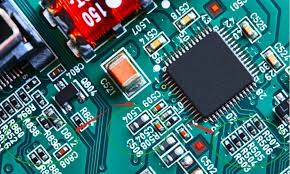
How Long Do Electronic PCB Boards Typically Last?
Other factors that affect the lifespan of a PCB can be how it is handled and stored. It is best to avoid exposing the board to excessive amounts of heat or force as this can cause damage to the copper. It is also important to store the board in a moisture barrier bag and in a temperature-controlled environment.
Ultimately, the lifetime of a circuit board is determined by how well it is designed and how well it is used and handled. This can be impacted by the manufacturer and/or end user. Purchasing the best quality board is the best way to ensure longevity.
In the past, electronic circuit boards were incredibly complicated systems of wired connections and components. This made it difficult to debug a design, and the reliability suffered. Modern circuit boards, on the other hand, are designed and built with a wide variety of components that connect to a standardized board. The modern version of the old system looks much more like the system shown below.
Modern PCBs are also fabricated with different finishes and plating. These can range from traditional lead-based finishes that need to be used within a year, through organic solderability preservatives that have a shelf life of only 6 months and immersion tin (ITO) that has a much longer shelf life of over 10 years.
In addition to the finish, the thickness of the copper foil on a PCB can also determine its shelf life. This value is known as copper weight and is expressed in ounces per square foot (oz/ft2). For example, a PCB that handles low power will have thin layers while those that handle higher power will have thicker layers. The layer that is overlaid on top of the copper foil is known as the solder mask layer. This is the green (or red at SparkFun) color that gives the PCB its appearance. The solder mask protects the copper from accidental contact with other metal or conductive bits.