
pcb assembly manufacturer techniques vary for flexible circuit boards
PCB assembly techniques vary significantly when it comes to flexible circuit boards due to their unique properties and construction. Flexible circuit boards, also known as flex PCBs or flexible printed circuits, offer several advantages over traditional rigid PCBs, including flexibility, lightweight, and space-saving designs. Understanding how PCB assembly techniques differ for flexible circuit boards is essential for manufacturers looking to capitalize on these benefits and produce high-quality assemblies.
One of the primary differences in pcb assembly manufacturer techniques for flexible circuit boards is the handling of the flexible substrate material. Unlike rigid PCBs, which are typically made of fiberglass or other rigid materials, flexible circuit boards use flexible substrates such as polyimide or polyester. These materials require specialized handling and processing techniques to prevent damage or deformation during assembly. Manufacturers must take extra care to ensure that the flexible substrate is handled gently and supported properly throughout the assembly process to maintain its integrity.
Surface mount technology (SMT) is commonly used in the assembly of flexible circuit boards due to its compatibility with the thin and flexible nature of the substrates. SMT components are mounted directly onto the surface of the flexible substrate using solder paste and reflow soldering techniques. However, the flexible nature of the substrate presents unique challenges in ensuring proper component placement and solder joint reliability. Manufacturers must carefully optimize their assembly processes to account for factors such as substrate flexibility, thermal expansion, and component alignment to achieve high-quality solder joints and reliable electrical connections.
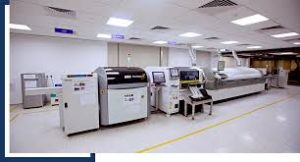
How do pcb assembly manufacturer techniques vary for flexible circuit boards?
In addition to SMT, through-hole assembly techniques are also used in the assembly of flexible circuit boards, albeit less frequently. Through-hole components are inserted through holes drilled in the flexible substrate and soldered in place on the opposite side. However, the flexibility of the substrate can pose challenges in achieving proper component alignment and solder joint quality, particularly for densely populated boards or components with larger leads. Manufacturers must carefully control the assembly process parameters, such as soldering temperature and dwell time, to ensure optimal solder joint formation and mechanical stability.
Another important consideration in PCB assembly techniques for flexible circuit boards is the use of adhesives and encapsulants to reinforce and protect the assembly. Flexible circuit boards may be subjected to bending, flexing, and vibration during operation, making it essential to secure components and reinforce critical areas of the board. Manufacturers may use specialized adhesives and encapsulants that offer flexibility and adhesion to the flexible substrate while providing protection against moisture, contaminants, and mechanical stress. Careful selection and application of adhesives and encapsulants are crucial to ensuring the long-term reliability and durability of flexible circuit board assemblies.
In conclusion, PCB assembly techniques for flexible circuit boards vary significantly from those used for rigid PCBs due to the unique properties and construction of flexible substrates. Manufacturers must carefully optimize their assembly processes to account for factors such as substrate flexibility, component placement, solder joint reliability, and mechanical stability. By understanding and addressing these challenges, manufacturers can produce high-quality flexible circuit board assemblies that meet the performance, reliability, and durability requirements of a wide range of applications.