
Evaluating a Flex PCB Supplier
PCBs are the heart of your electronics design. They connect your components and allow them to communicate with each other in order to function properly. However, not all printed circuit boards are created equal. In fact, the quality of a circuit board can be significantly impacted by its raw material and layer stack up. To ensure that you receive the best product possible, it’s important to find a quality flex pcb supplier. To do this, you should carefully consider the following factors when evaluating potential manufacturers.
A flex PCB’s base raw material and layer stack up determine the quality of the final circuit board. The most common base material for flexible printed circuits is Polyimide (PI). PI is very flexible, extremely tough, and incredibly heat resistant. It can withstand repeated stress and bending, making it the ideal substrate for flex circuits. It is also capable of handling numerous solder reflow cycles and thermal expansion and contraction. PI also offers superior heat dissipation, helping to keep your board cool and functional in high-temperature environments.
Another critical factor to consider is the thickness of the flex circuit’s copper layers. In general, thinner traces offer better electrical conductivity and reliability. Additionally, thinner layers increase the surface area to volume ratio, improving heat dissipation. Finally, the type and strength of adhesive used on a flex circuit can affect the board’s overall performance and durability. Acrylic adhesives, epoxy adhesives, and pressure-sensitive adhesives are a few of the popular choices available for flex circuits.
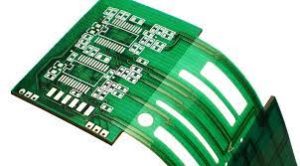
Factors to Consider When Evaluating a Flex PCB Supplier
Depending on the application, your flex circuit might require stiffeners. These rigid pieces are laminated to the flex circuit in select areas to provide stability and support. They can be made from PI, FR4, or metal, such as aluminum or stainless steel.
When determining the best flex pcb supplier, you should consider their experience with rigid-flex technology. A reputable manufacturer should have a proven track record of fabricating quality flex and rigid-flex circuits for a wide range of applications. Additionally, they should be able to accommodate your design requirements and delivery schedules.
A flex-PCB solution provider should also be able to perform design reviews and Gerber layouts for both rigid-flex and traditional rigid circuit boards. This will help reduce the cycle time in your mechanical engineering and electrical engineering processes while ensuring that the final product meets all of your requirements. A good supplier will also offer ongoing support during the design process to prevent delays and minimize rework. This will save you time and money by preventing the need to redo your designs as you discover issues during prototyping. This can be a significant benefit in complex and high-density applications.