
hdi pcb supplier be folded multiple times
The notion of folding a High-Density Interconnect (HDI) PCB multiple times raises intriguing questions about the flexibility and durability of these advanced circuit boards. HDI PCBs, renowned for their compact design and high-density interconnections, are integral components in many modern electronic devices. However, the ability to fold them multiple times without compromising functionality or reliability depends on various factors, including the design, materials, and manufacturing processes employed.
Typically, traditional rigid PCBs are not designed to be folded multiple times due to their rigid nature and the risk of damaging the circuitry or components. However, the emergence of flexible and flex-rigid PCB technologies has introduced new possibilities for foldable electronic devices. Flex PCBs, constructed from flexible substrates such as polyimide, offer superior bendability and can withstand multiple folding cycles, making them suitable for applications where flexibility is paramount.
In contrast, hdi pcb supplier are primarily rigid boards with intricate interconnections and densely packed components. While they may not possess the same level of flexibility as flex PCBs, advancements in HDI manufacturing have enabled the production of thinner and more lightweight boards with increased flexibility. This enhanced flexibility allows for some degree of bending or curvature, but it’s essential to note that HDI PCBs are not specifically designed for repeated folding like flex PCBs.
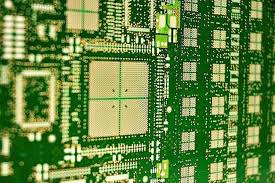
Can hdi pcb supplier be folded multiple times?
The feasibility of folding an HDI PCB multiple times depends on several factors, including the board’s thickness, the materials used, and the placement of components and interconnections. Thinner and more flexible HDI PCBs may be capable of withstanding occasional bending or flexing, but repeated folding could lead to stress concentration points, delamination, or damage to the circuitry. Additionally, the presence of components such as integrated circuits, connectors, and solder joints may limit the board’s flexibility and increase the risk of mechanical failure.
Moreover, the reliability of a folded HDI PCB depends on the integrity of the vias, traces, and solder joints, which are critical for electrical connectivity and signal transmission. Folding the board multiple times could strain these interconnections and weaken their mechanical and electrical properties, potentially resulting in signal degradation or intermittent connections. Furthermore, the presence of fine-pitch components and micro-vias on HDI PCBs adds complexity to the folding process and increases the risk of damage during bending or flexing.
While it may be technically possible to fold an HDI PCB multiple times under controlled conditions, such as in specialized foldable electronic devices, it’s essential to consider the potential implications for reliability and performance. Manufacturers and designers must carefully evaluate the structural integrity and mechanical properties of the PCB, as well as the specific requirements of the application, before incorporating folding features into their designs.
In conclusion, while High-Density Interconnect (HDI) PCBs offer exceptional performance and density, their suitability for multiple folding remains a subject of careful consideration. While some degree of flexibility may be achievable with thinner and more flexible HDI PCBs, repeated folding could compromise the board’s reliability and performance. As the demand for foldable electronic devices continues to grow, further research and development in HDI manufacturing may unlock new possibilities for flexible and robust PCB designs.