
No-Clean Flux in Pcb Manufacturing Assembl
The advantages of using no-clean flux in Pcb manufacturing assembl is that it eliminates the need for post-solder cleaning, reducing costs. In addition, no-clean fluxes generally don’t leave residues behind that can contaminate sensitive components or cause signal interference in electronic devices such as smart light bulbs, medical equipment, and other high-speed gadgets. However, there are some important considerations to keep in mind when deciding whether or not to use no-clean flux.
The primary reason for cleaning a pcb manufacturing assembly is to remove any flux residues that could affect the performance of the finished product, especially in high-speed applications like those mentioned above. This is also a concern for most customers, as they want to be sure that the final product will work properly in their downstream processes and end-use environments.
Additionally, many assemblers find that cleaning the assembly improves its cosmetic appearance. This is especially true for high-reliability circuit boards designed for military, aerospace, or other highly-critical applications. Assemblers can typically remove most no-clean residues by a simple process of rubbing the board with isopropyl alcohol and drying it with forced air. In volume production, specialized equipment can be used to clean the assemblies as they move through the production line, which cuts down on handling and labor costs.
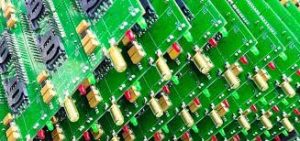
Advantages of Using No-Clean Flux in Pcb Manufacturing Assembl
Another advantage of cleaning a PCB is that it can increase the adhesion of conformal coatings and other materials such as encapsulants or potting compounds. This is particularly important when using no-clean fluxes that are known to absorb moisture, which can degrade or damage these materials.
Cleaning the flux residues can also reduce the risk of corrosion on delicate parts and components that can occur if the residues are left un-washed. This is because no-clean fluxes usually contain salt activators that, when exposed to moisture, can enable the formation of dendrites that corrode the fragile parts on which they are located. The ions produced by the salt activators can also cause electrical failures in the devices on which the boards are assembled.
Although some no-clean fluxes are formulated to avoid this problem, most are not, and a thorough cleaning is therefore often necessary in order to achieve long-term reliability. In this regard, water-soluble fluxes are often considered more reliable than no-clean fluxes.
In deciding to clean or not to clean a PCB, assemblers must carefully consider all of the factors that are involved. The best way to ensure that the final product will work as intended is to follow the recommendations of the solder paste and no-clean flux manufacturer. Then, assemblers can focus on the most important tasks at hand, which is producing quality circuit boards for their customers.
If you have questions about which type of flux is right for your products, contact the experienced team at Geospace Technologies. They have over 20 years of experience in electronics contract manufacturing, including through hole, SMT, and wave. They can provide expert guidance and help you to choose the best materials for your specific application and end-use environment.