

Siddhant Sarin
| Photo Credit: Special Arrangement
While we use makeup to hide our flaws, acid survivor Ritu Saini says: “Please don’t hide my scars with make up”. That hits you hard. This is a scene from a heart-wrenching debut documentary film Ayena (Mirror), directed by short film maker Siddhant Sarin.
“The film reflects upon the effects of a momentary act of revenge that transforms the lives of two women, Ritu Saini and Faraha Khan forever,” says Siddhant over the phone from Jaipur, where he is conducting a filmmaking workshop. “After surviving the acid attack , they carry the scars of human brutality on their bodies. They face the challenge of navigating a sea of odd currents everyday, besides curious stares from people.”
Ritu’s scars also brought her fame, says Siddhant, an alumnus of Docnomads, DFFB (German Film & Television Academy, Berlin) and FAMU (Film & TV School of Performing Arts, Prague). “She occasionally finds herself talking on television, modelling and even featuring in a Hindi film.”
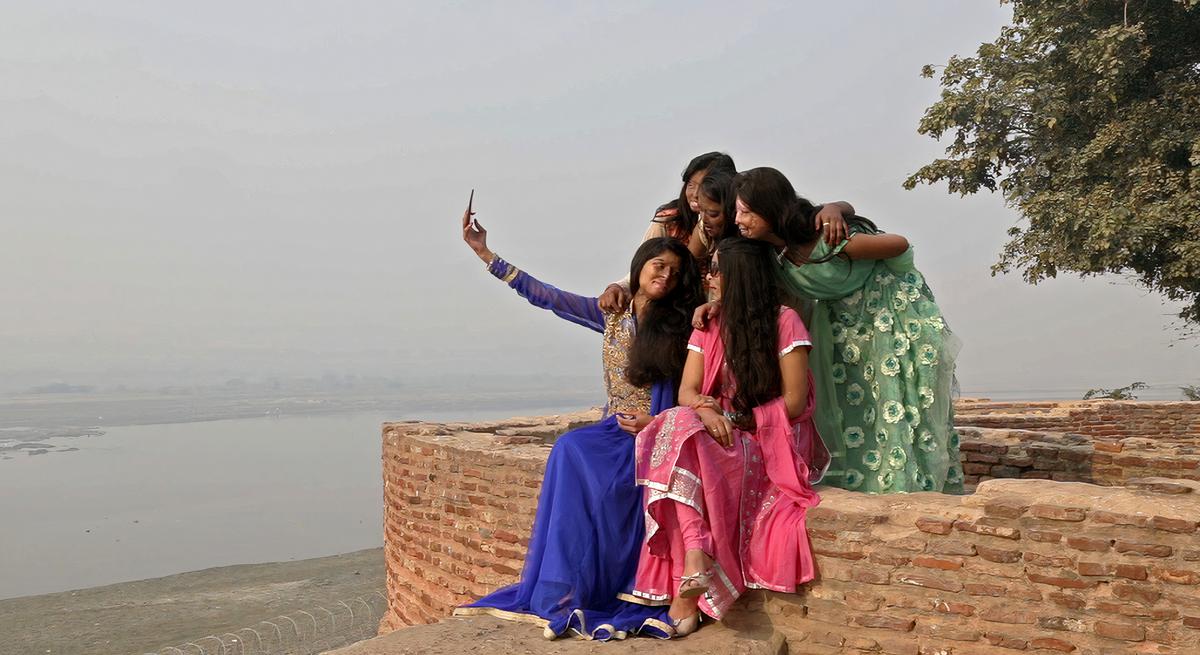
Stills from the film
| Photo Credit:
Special Arrangement
The 70-minute film in Urdu and Hindi with English subtitles, Siddhant says, was five years in the making. “I did not think I would make a film on acid survivors. I read about them and their struggles and also found them on social media platforms. What struck me most about their posts were the happy pictures they posted. Their videos were filled with joy and laughter.”
That was when Siddhant decided to meet them and make a documentary to capture their life, work and their blending into the society post the trauma. The survivors were working in a restaurant called Sheroes, that works for the rehabilitation of acid survivors, in Agra, Lucknow and Noida.
“I went to Agra. Ritu and Faraha were the first two I met. We instantly connected and a beautiful bond of trust and friendship was born, which is what I hope the viewer will also see and experience while watching the film.”
A lawyer, Siddhant gave up his practice to become a filmmaker. “Even while practicing law, I felt disconnected with the profession and started dabbling in ad films, short films and finally plunged into studying the craft of filmmaking itself”.
The trajectory of Ayena, Siddhant says tilted towards gender-based violence. “For me, it was a way to get to know Ritu and Faraha as humanbeings. They live independently earning their living.”
The film captures Ritu and Faraha’s struggles and the long-drawn path to recovery and face reconstruction surgeries. Their disillusionment with relationships and life, the loneliness they battle and more. Despite the agony of wrecked physicality, Ritu and Faraha live with confidence. The film captures them celebrating small victories.
The fact that they bear no grudges against their attackers is hard-hitting. “A man destroyed us, yet, there are men who are helping us rebuild our lives,” says Ritu.
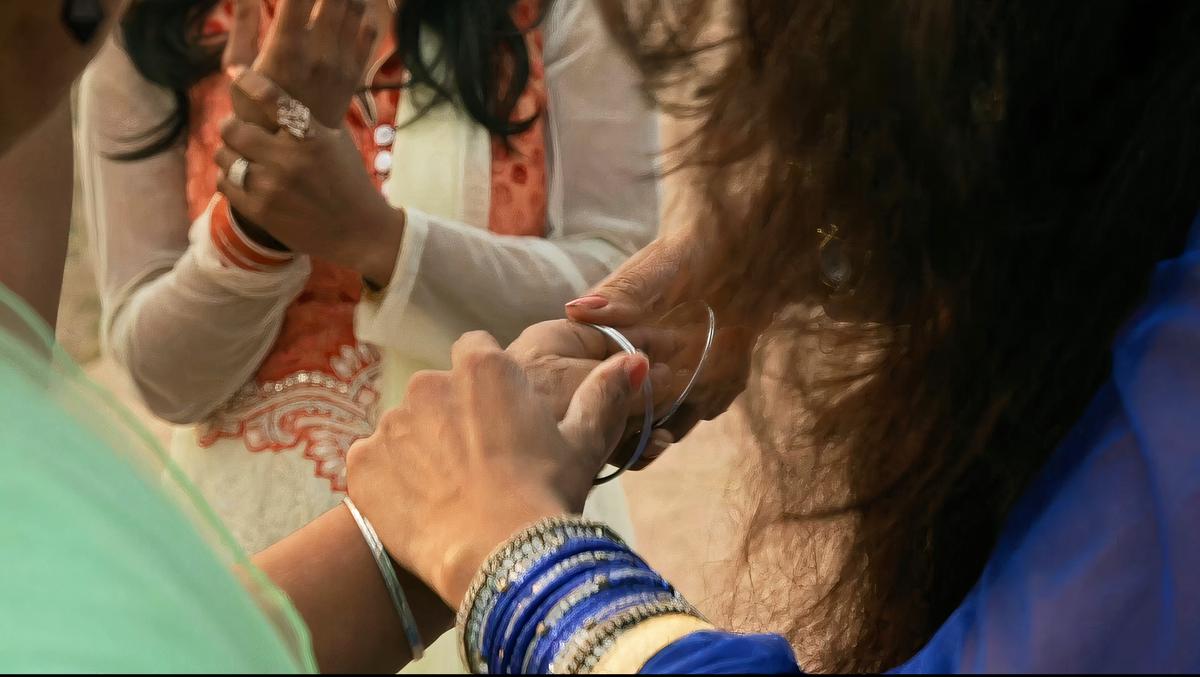
The film not only deals with the afterlife of the attack, but also captures Ritu and Faraha rebulilding their hope and faith with a positive mindset. While Faraha does get a marriage proposal, a dejected Ritu says she does not look forward to it. “The groom comes and is shocked once he sees our scarred faces and rejects us. What’s the point?”. The film portrays Ritu and Faraha as ready to blend into society, albeit with the scars of life and trauma. The question is if society is ready to take them back into its fold.
Siddhant who has written and directed Ayena, also producers the film with Arunas Matelis, Studio Nominum Sarah Kang and Seesaw Pictures.
Ayena, presented by Vikalp Bengaluru, will be screened at BIC at 6.30pm on January 24. Siddhant will join virtually for a Q and A session post the screening.