
reliability of Pc board assembly
In the fast-paced world of electronics manufacturing, ensuring the reliability of PC board assembly is essential for meeting the demands of modern technology and ensuring customer satisfaction. Reliability encompasses the ability of electronic devices to perform consistently and accurately over time, under various operating conditions and environmental stresses. In this article, we explore the measures and best practices taken to ensure the reliability of PC board assembly and the importance of maintaining high-quality standards in the electronics industry.
One of the key measures taken to ensure the reliability of pc board assembly is the use of high-quality materials and components. Selecting components from reputable suppliers with a proven track record of reliability and performance is essential for minimizing the risk of premature failures and defects. Additionally, using materials that meet industry standards and specifications, such as IPC and RoHS compliance, helps ensure the long-term durability and functionality of PC board assemblies.
Furthermore, implementing rigorous quality control processes and testing procedures throughout the assembly process is essential for identifying and addressing potential defects and issues before they impact product reliability. Automated optical inspection (AOI), X-ray inspection, functional testing, and reliability testing are commonly used to detect defects, such as solder joint defects, component misalignment, and electrical faults, and ensure that PC board assemblies meet performance and reliability requirements.
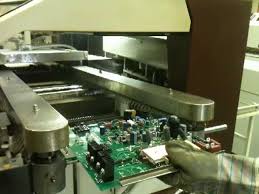
What measures are taken to ensure the reliability of Pc board assembly?
In addition to quality control and testing, optimizing the assembly process and production environment is essential for ensuring the reliability of PC board assembly. Maintaining clean and controlled manufacturing environments, with appropriate temperature, humidity, and ESD control measures, helps minimize the risk of contamination, electrostatic discharge, and thermal stress, which can degrade the reliability of electronic components and assemblies.
Moreover, implementing proper handling, storage, and transportation practices for components and materials is essential for preventing damage and degradation that could affect the reliability of PC board assemblies. Components should be handled with care to avoid mechanical damage, electrostatic discharge, and exposure to moisture or contaminants. Additionally, materials should be stored in controlled environments, with appropriate packaging and labeling to prevent degradation and ensure traceability.
Ensuring proper solder joint quality is critical for the reliability of PC board assembly, as solder joints serve as the primary means of electrical and mechanical connection between components and the PCB. Using high-quality solder paste, controlled soldering processes, and advanced soldering techniques, such as reflow soldering and selective soldering, helps ensure consistent solder joint formation and reliability. Additionally, implementing proper design guidelines, such as appropriate pad sizes, solder mask openings, and solder stencil design, helps optimize solder joint quality and reliability.
Furthermore, implementing robust traceability systems and documentation practices is essential for ensuring the reliability of PC board assembly. Traceability enables manufacturers to track the history, location, and status of components, materials, and assemblies throughout the manufacturing process, facilitating quick identification of potential issues and timely corrective actions. Comprehensive documentation, including assembly instructions, bills of materials (BOMs), engineering change orders (ECOs), and test reports, provides a clear record of assembly processes and changes, enabling effective problem-solving and process improvement initiatives.
In conclusion, ensuring the reliability of PC board assembly requires a multifaceted approach that encompasses the use of high-quality materials and components, rigorous quality control and testing procedures, optimization of the assembly process and production environment, proper handling and storage practices, and robust traceability systems and documentation practices. By implementing these measures and best practices, manufacturers can achieve the highest levels of reliability and quality in PC board assembly, meeting the stringent demands of today’s electronics industry and ensuring customer satisfaction.