
Soldering Utilized in Pcba Circuit Board
A jiggling component, a dangling coil, and a finicky loose screw can negatively impact your board’s functionality, which is why pcba circuit boards require precision when assembling the components that will make it work. The process of integrating resistors, diodes, integrated circuits, capacitors, and other essential functions and components into a PCB requires soldering. Soldering is a critical step in the fabrication of a pcba circuit board and requires specialized knowledge, expertise, and equipment. A contract manufacturer with a strong background in this area can help your business avoid costly errors and ensure that the products you produce will work as intended.
A properly functioning pcba circuit board is constructed using copper lines on both sides with insulating material between each layer. A conductive signal can then pass through all layers and travel to the other side, where it is detected. This is how a mobile phone, for example, transmits signals to other devices.
A pcba also contains the component leads, which must be placed in their designated holes, and the surface mount components must be held in place by solder paste. This is a mixture of flux and particles that helps to bond the components and the circuit board, and it is typically applied with a stencil, which guides it to where the components are being placed. In many cases, automated machines (pick-and-place) are used to place the components on the board, which reduces costs and human error during at-scale production.
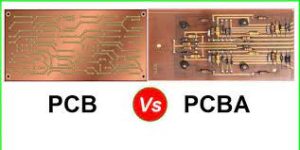
How Is Soldering Utilized in Pcba Circuit Board?
Before the components are soldered, the board is inspected and cleaned to remove any excess materials or flux residue. This is a critical step to ensure that the assembled product will function as intended and will meet all safety and compliance standards. In addition, the pcba is tested to verify its functionality.
The main reason why the pcba is tested is to detect any missing or incorrectly soldered joints, which can cause short circuits and other problems. The testing process includes a visual inspection, automated optical inspection (AOI), and X-ray inspection.
During the soldering process, it’s important to use the right tools and equipment for the job. This includes the right temperature for the metals to melt, as well as the correct type of solder. For instance, a standard solder will contain lead, but a pcba manufacturer should be aware that this can pose health and environmental concerns, so they should look for a low-lead option when purchasing the material.
A reputable electronics contract manufacturer should be familiar with all types of soldering techniques, including Surface-Mount Technology and through-hole technology. They should have the knowledge and experience to choose and execute the best method for each project, so they can deliver high-quality, reliable products that meet all industry standards. To learn more about a contract manufacturer’s soldering capabilities, contact a Xometry representative today. They will be happy to answer any questions you have. They can even help you to find the right materials for your next PCB assembly project!